
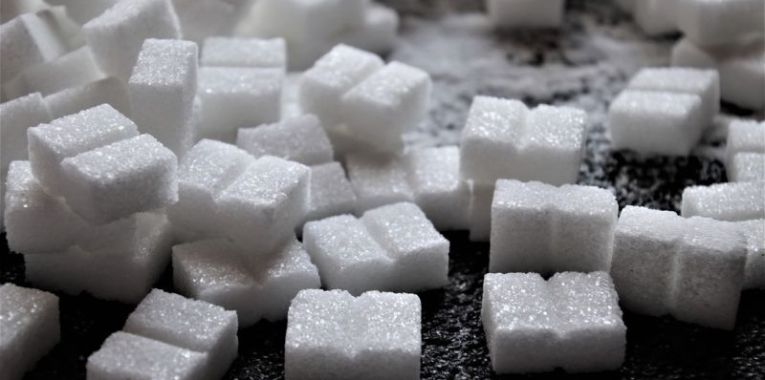
Chocolate, with its rich and indulgent flavour, has been a beloved treat for centuries. One of the key ingredients that contributes to this delectable taste is sugar. While the word “sugar” often raises concerns about health, it plays a crucial role in the creation of chocolates, enhancing not only its sweetness but also its texture and overall sensory experience.
Sweetness and Flavour:- At its core, sugar is a sweetener, and in chocolates, it serves as the primary source of sweetness. The balance of sugar in chocolate is essential for achieving the perfect flavour profile. The sweetness from sugar complements the inherent bitterness of cocoa, creating a harmonious blend that is both satisfying and delightful to the palate
Texture and Mouthfeel:- Sugar contributes significantly to the texture and mouthfeel of chocolates. The smooth and creamy texture that many chocolate connoisseurs appreciate is a result of the interaction between sugar and other ingredients, such as cocoa butter. Sugar crystals help prevent the cocoa particles from clumping together, ensuring a velvety and luxurious texture that melts in the mouth.
Preservation and Shelf Life:- Sugar also acts as a natural preservative in chocolates. Its hygroscopic nature helps to retain moisture, preventing the growth of microorganisms and extending the shelf life of chocolate products. This is particularly crucial for chocolates, as it allows them to maintain their quality and freshness over time.
Caramelization and Flavour Complexity:- During the chocolate-making process, sugar undergoes caramelization when exposed to heat. This chemical reaction imparts a complex and nuanced flavour to the chocolate, contributing to its depth and richness. Caramelization adds subtle notes of toffee, caramel, and other desirable flavours, enhancing the overall taste experience.
Balancing Act:- While the importance of sugar in chocolates is undeniable, it is essential to strike a balance. Excessive sugar can overwhelm the natural flavours of cocoa and lead to an overly sweet product. Chocolatiers and manufacturers often experiment with different sugar levels to achieve the optimal balance that caters to a diverse range of taste preferences.
What form of Sugar is best?
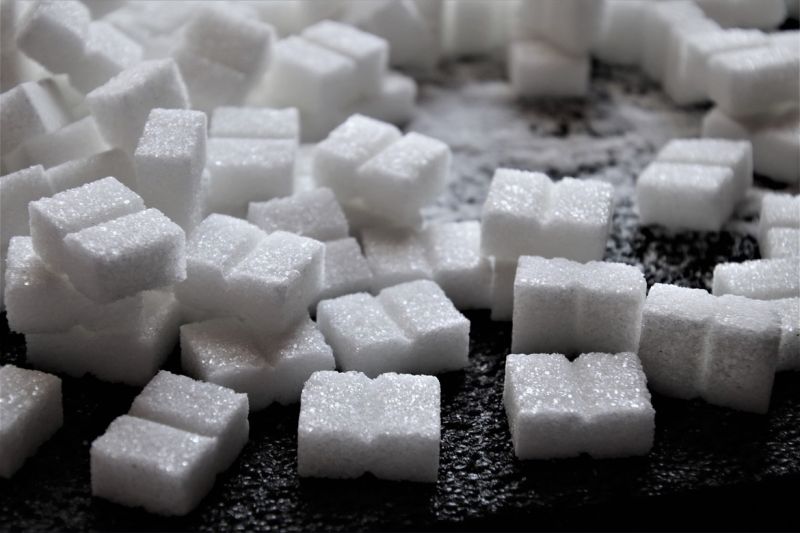
How do you chose whether to use granulated sugar or to use powdered sugar in your chocolate ?
What can they offer which can increase the chocolate consumption experience apart from providing sweetness and structure to chocolates?
When it comes to crafting delectable chocolates, the choice between granulated sugar and powdered sugar plays a crucial role in determining the texture, sweetness, and overall quality of the final product.
Granulated sugar, with its larger crystals, need to be mixed with the chocolate during the grinding step, as they need to be broken down to smaller particle sizes so the fat is coated more evenly onto them. This gradual dissolution of granulated sugar during the chocolate-making process contributes to a more nuanced sweetness.
On the other hand, powdered sugar, finely ground and often mixed with a small amount of cornstarch, offers a smoother consistency. This can be particularly advantageous when aiming for a velvety, melt-in-your-mouth chocolate experience. The fine particles of powdered sugar integrate seamlessly into the chocolate mixture, creating a homogeneous blend.
The choice between these sugars depends on the desired outcome. If you seek a traditional chocolate with a satisfying bite, granulated sugar is the go-to option.
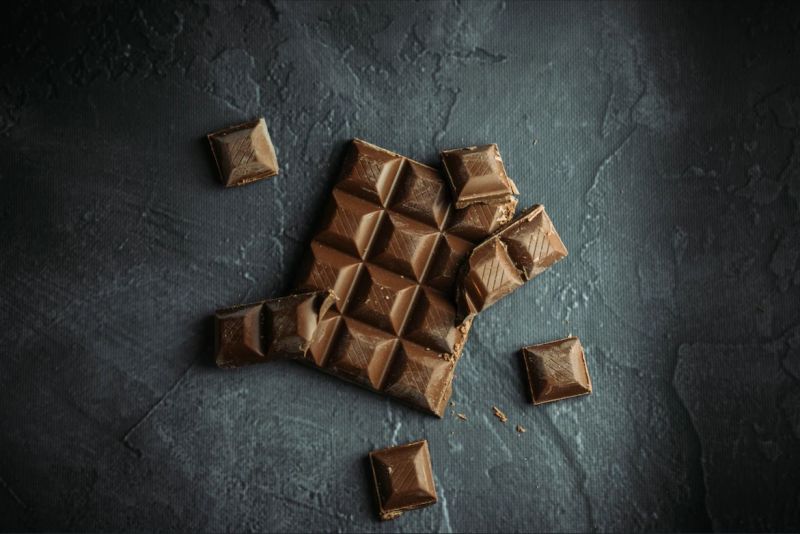
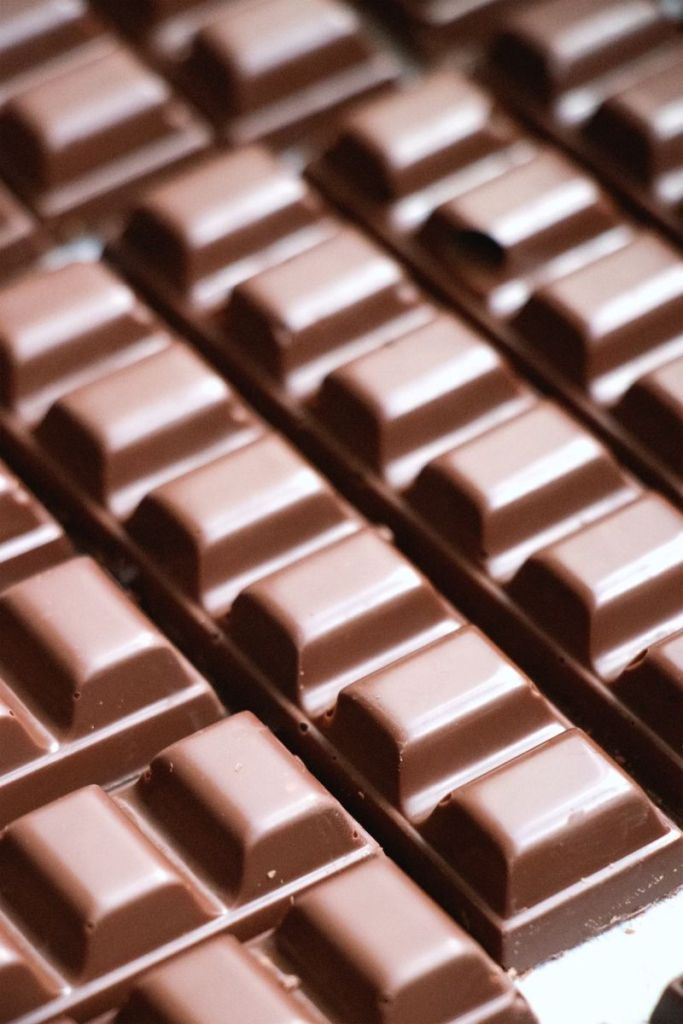
However, if your goal is a silky, creamy chocolate, powdered sugar is the secret ingredient. Additionally, considering the moisture content in your recipe is essential, as powdered sugar can affect the overall texture due to its finer particles. Contact us if you need industrial sugar grinders.
Whether you opt for granulated sugar or powdered sugar in your chocolate-making endeavors, understanding their unique characteristics allows you to tailor your recipe to achieve the perfect balance of sweetness and texture.
Types of Sugar used

Chocolates ,owe much of their taste and texture to the types of sugars used in their creation. The choice of sugar can significantly impact the overall chocolate experience, influencing sweetness, mouthfeel, and flavour complexity.
1. Sucrose (Table Sugar):
Texture: Sucrose contributes to the smooth texture of chocolates. It promotes a crystalline structure that gives chocolates a satisfying snap.
Taste/Flavour: Sucrose enhances sweetness without introducing distinctive flavours, allowing other chocolate components to shine.
2. Fructose (Fruit Sugar):
Texture: Chocolates with fructose may have a softer texture due to its hygroscopic nature, absorbing moisture from the air.
Taste/Flavour: Fructose brings a different sweetness profile and can enhance fruitiness in chocolates.
3. Glucose (Corn Syrup):
Texture: Often used in conjunction with sucrose, glucose prevents crystallization, resulting in a smoother, creamier texture.
Taste/Flavour: It imparts a milder sweetness and can enhance the overall flavour complexity of chocolates.
4. Lactose (Milk Sugar):
Texture: Commonly found in milk chocolate, lactose contributes to a creamier texture and complements the cocoa solids.
Taste/Flavour: Lactose adds a subtle sweetness and enhances the milkiness of chocolates.
5. Invert Sugar:
Texture: Invert sugar, a mixture of glucose and fructose, is known for retaining moisture, contributing to a moist and tender chocolate texture.
Taste/Flavour: It enhances sweetness while potentially introducing caramel-like notes to the chocolate.
6.Maltose:
Texture: Maltose can provide a chewy texture and is often used in combination with other sugars to create a unique mouthfeel.
Taste/Flavour: It can add a hint of malt or cereal flavour to chocolates.
7. Honey:
Texture: Honey, with its natural sugars, can contribute to a softer texture and a glossy appearance. It is important to note, however, that honey, due to its moisture content, tends to seize up the chocolate.
Taste/Flavour: It imparts a distinct floral sweetness and may introduce subtle floral or herbal notes to the chocolate.
8.Sucralose (Zero-Calorie Sweetener):
Texture: Sucralose does not contribute to the structure of chocolate but is often combined with other sweeteners to maintain sweetness.
Taste/Flavour: It provides sweetness without the added calories and does not introduce distinct flavours.
9.Stevia (Zero-Calorie Sweetener):
Texture: Stevia may not impact texture significantly but is often used in combination with other sweeteners to achieve desired sweetness levels. It is important to note that stevia in some countries is banned in chocolate and cocoa products.
Taste/Flavour: Stevia imparts a natural sweetness with a slight herbal or licorice aftertaste.
10. Monk Fruit Extract (Zero-Calorie Sweetener):
Texture: Monk fruit extract does not contribute to the structure of chocolate.
Taste/Flavour: It offers a sweet taste with fruity undertones and is often blended with other sweeteners.
11. Erythritol (Low-Calorie Sugar Alcohol):
Texture: Erythritol can contribute to a cooling sensation in chocolate and may crystallize, affecting the texture.
Taste/Flavour: It provides sweetness without a significant aftertaste.
Conclusion
In the world of chocolates, sugar plays a pivotal role in shaping the taste, texture, and overall indulgence of these delightful treats. While mindful consumption is encouraged due to health considerations, understanding the intricate relationship between sugar and chocolate enhances our appreciation for the craftsmanship involved in creating these sweet symphonies. So, the next time you savor a piece of chocolate, take a moment to acknowledge the sweet magic that sugar brings to this timeless delicacy.
Book a 1 hour Technical Strategy Session today.
For India:- Rs. 2499/-
Outside India :- USD 39/-
 rudvik engineers
👍👍, keep it up, you provide great information regarding chocolates and it’s processing
LikeLike
Thank you Mr. Umare. I am glad that you find these posts helpful.
LikeLike
great post – thanks !!
Download 50 Amazing Keto Recipes –> https://ketodietrecipes.co.uk/
LikeLike
Loved this post – –
Have A Great Day Ahead – Melissa
Keto Recipes – https://ketodietrecipes.co.uk/
LikeLike
Loved this post – –
Stay Blessed – Mel
Free Keto Diet Recipes
LikeLike
Loved this post – heress my feedback –
Looking To Tone Up? Lose Extra lb’s Just By Changing What You Eat?
Download Over 50 Keto Recipes , Unleash The Flavours – http://ketodietrecipes.co.uk/
LikeLike
Great Read Can i leave my thoughts ?! –
Looking To Tone Up? Lose Extra lb’s Just By Changing What You Eat?
Download Over 50 Keto Recipes , Unleash The Flavours – http://ketodietrecipes.co.uk/
LikeLike
Loved this post – –
Have A Great Day Ahead – Melissa
ps If i May Add , My New Delicious Keto Recipes Blog Is NOW LIVE – http://www.ketodietrecipes.co.uk Please Follow & Leave A Like
LikeLike