

How do you compliment the melt in the mouth texture of chocolate?
Add a bit of crunch with wafers !
The smooth chocolate with the crunch of wafers , provides a unique experience which is craved by all ages.
Chocolate-coated wafers, a delightful symphony of crispy wafers and creamy chocolate, have a fascinating history that dates back to the 19th century. The invention of wafers can be traced to the Middle Ages, but it was the ingenuity of European confectioners in the 1800s that led to the development of these beloved treats.
Wafer production was revolutionized with the advent of machinery that allowed for the creation of thin, uniform wafers, which served as the foundation for this delectable treat.
The combination of wafers and chocolate was a stroke of genius. The smooth, velvety texture of chocolate paired with the light, crispy wafers created a sensation that quickly captured the hearts and taste buds of consumers.
The first documented chocolate-coated wafer was produced in the early 20th century, and it soon became a popular choice for those seeking a sweet, satisfying snack.
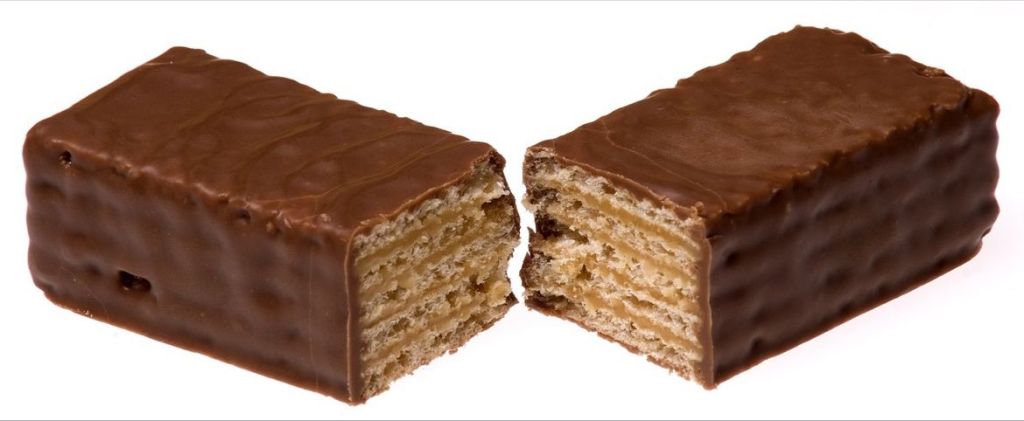
Chocolate-coated wafers have come a long way since their inception. They are now a staple in the global confectionery market. Brands like Kit Kat, Twix, and Tim Tam have become household names, offering various flavors and sizes to cater to different tastes.
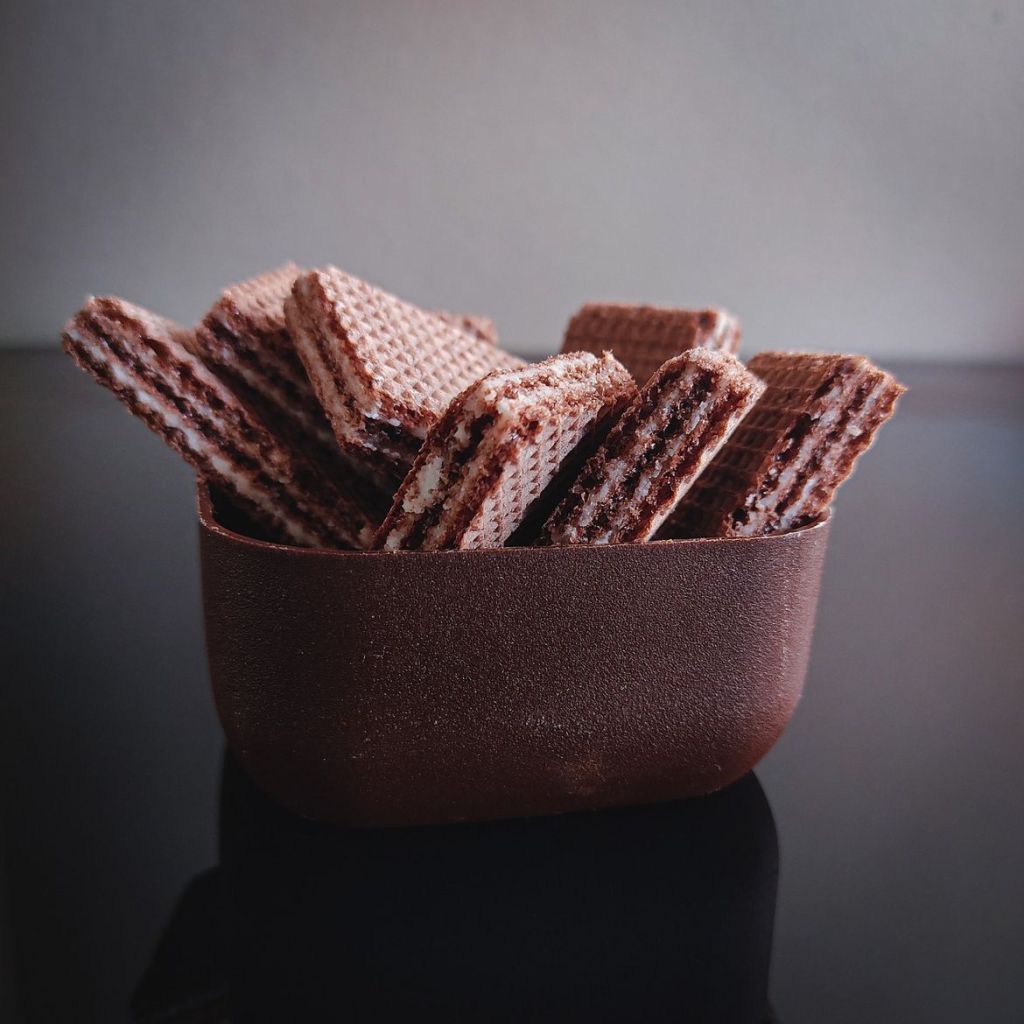
The Art of Crispy Layers:
In wafer chocolate production, precision begins with the machines responsible for crafting the crispy layers. Modern wafer baking ovens, equipped with advanced temperature control systems, ensure that each layer achieves the perfect crispiness. A production line that can churn out thousands of wafer sheets per hour, each precisely baked to perfection. The efficiency of these machines is reflected in the numbers – up to 10,000 wafer sheets produced per hour in some state-of-the-art facilities.
The Rich Chocolate Coating:
Moving to the chocolate coating process, enrobing machines take center stage. These machines not only handle the delicate wafer layers with care but also ensure a uniform and velvety chocolate coating. In terms of figures, this machine is capable of coating over 300 wafer bars per minute, with a thickness control precision measured in microns. These numbers highlight the incredible speed and accuracy these machines bring to the production line.

Industrial Innovation:
The landscape of wafer chocolate production has evolved with cutting-edge technology. Automated assembly lines and robotic precision have become the norm. Consider the impact of robotic systems that can handle intricate tasks, such as stacking wafer layers with micron-level precision, contributing to the production of consistently high-quality treats. The numbers here tell a story of efficiency – a reduction of production time by 30% and an increase in output by 20% in facilities that have embraced these innovations.
Quality Assurance:
Quality control measures are embedded in every step of the production process. Automated inspection systems equipped with advanced sensors ensure that each wafer chocolate meets stringent quality standards. The numbers speak volumes here, with a rejection rate of less than 0.5%, underscoring the commitment to delivering a consistent and high-quality product to consumers
Common Problems and their Troubleshooting:
Troubleshooting and addressing common problems in chocolate wafer making process are crucial for maintaining efficient production and ensuring the quality of the final product. Here is a step-by-step guide on troubleshooting common issues:
1. Uneven Baking:
Problem: Unevenly baked wafers can result from temperature inconsistencies in the oven.
Troubleshooting Steps:
Check the oven temperature with a calibrated thermometer. Inspect and clean the heating elements to ensure uniform heat distribution. Adjust the conveyor speed to match the baking time.
2. Sticking Wafers:
Problem: Wafers sticking to the baking plates can lead to breakage and uneven texture.
Troubleshooting Steps:
Apply a non-stick coating to the baking plates. Adjust the temperature to prevent overcooking. Ensure the release agent application is consistent.
3. Excessive Breakage:
Problem: Wafers breaking during or after baking may indicate issues with the batter consistency or baking conditions.
Troubleshooting Steps:
Check the batter viscosity and adjust as needed. Ensure the batter spread is uniform across the baking plates. Adjust baking time and temperature to prevent overcooking.
4. Inconsistent Thickness:
Problem: Wafers with inconsistent thickness can result from variations in batter application or problems with the spreading mechanism.
Troubleshooting Steps:
Inspect and calibrate the batter spreading mechanism. Check for blockages or irregularities in the batter delivery system. Ensure even batter distribution across the baking plates.
5. Excessive Production Waste:
Problem: High levels of waste can occur due to misaligned cutting blades or issues with the cutting mechanism.
Troubleshooting Steps:
Check and adjust the alignment of cutting blades. Inspect the cutting mechanism for wear and tear. Ensure proper synchronization between the cutting mechanism and the conveyor speed.
6. Overheating:
Problem: Excessive heat in the oven can lead to overbaking and affect the quality of the wafers.
Troubleshooting Steps:
Monitor and adjust the oven temperature regularly. Check the insulation and ventilation system for any issues. Ensure proper functioning of the temperature control system.
7. Conveyor Issues:
Problem: Problems with the conveyor system can disrupt the baking process.
Troubleshooting Steps:
Lubricate and inspect conveyor belts for wear and tear. Check for misalignment or damage in the conveyor system. Adjust tension and alignment as necessary.
8. Electrical or Mechanical Failures:
Problem: Unexpected electrical or mechanical failures can halt production.
Troubleshooting Steps:
Regularly inspect and maintain all electrical components. Monitor and address unusual sounds or vibrations promptly. Have a preventive maintenance schedule in place.
Always follow the manufacturer’s guidelines for maintenance and troubleshooting. If problems persist, consult the machine’s manual or contact the manufacturer’s technical support for assistance. Regular preventive maintenance can also help prevent many common issues in wafer baking machines.
We shall talk more about the enrobing part of the process in a seperate article.
We hope you have found this article useful.
 rudvik engineers
great post – thanks !!
Download 50 Amazing Keto Recipes –> https://ketodietrecipes.co.uk/
LikeLike